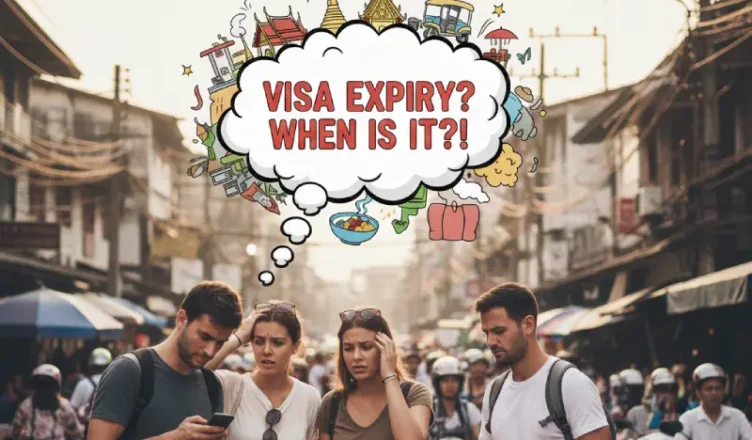
Most of the tourists spend a considerable time in Thailand that they cannot recall their visa expiry dates. This creates unwanted overstays and legal inconveniences. You must know Thailand Overstay Fine rules when you are visiting Thailand on a tourist visa or visa-free entry.
Any surpassing of one day is regarded as a crime. It may result in fines, jailing, and additional travel restrictions. The legislation is very severe on overstays, be it long or short. This guide will deconstruct all you need to know about Thailand overstay fine laws and how to avoid getting into trouble.
What is considered Overstay in Thailand?
Overstay refers to the fact that you have been in Thailand longer than your visa or entry stamp permits. Your final legal day in the country is the day your visa runs out. Even spending an additional day will be considered a violation.
Regardless of whether you came on a Thailand tourist visa, visa on arrival or visa-free entry, the rules are the same. You have to leave or prolong before your time runs out.
Thailand Overstay Fine Structure Explained
The Thailand overstay fine system is based on how many days you stayed beyond your visa. The fine starts from the first day after your visa ends.
Here is a breakdown of the fine:
- 500 Thai Baht per day of overstay.
- Maximum fine of 20,000 Baht for stays over 40 days.
- Payment must be made before departure at the airport or border.
There are no discounts or excuses. The longer you stay the higher the fine becomes.
Penalties for Short-Term and Long-Term Overstay
Short-term overstays usually result in fines. But long-term overstays can lead to legal detention and even blacklisting.
Short-term (1–40 days):
- You pay the fine at departure.
- No major legal issues unless repeated.
Long-term (more than 40 days):
- You may face detention by immigration officers.
- A re-entry ban could apply depending on your record.
- You will be blacklisted if caught inside the country.
Paying the Thailand overstay fine early and leaving voluntarily is always better than being caught overstaying during checks.
Thailand Overstay Blacklist and Ban Rules
Thailand has stringent ban regulations on serious or recurrent overstays. In case you spend months or years in the country, you can be denied entry into the country.
Here are the ban rules:
- Less than 1 year of overstay with voluntary surrender = 1-year ban.
- More than 1 year of overstay with voluntary surrender = 3-year ban.
- Less than 1 year overstay and apprehended = 5-year ban.
- Exceed 1 year and apprehended = 10-year ban.
After black listing, subsequent Thailand Tourist Visa approvals are extremely hard.
How to Pay Overstay Fines at Airports and Land Borders
If you have overstayed your visa, you must pay the fine before leaving. Airports and major land borders have payment counters.
Steps to pay the Thailand Overstay Fine:
- Go to the immigration counter at the airport or border.
- Inform the officer about your overstay.
- They will check your passport and calculate the fine.
- Pay the fine in Thai Baht.
- Get a receipt and exit the country legally.
Avoid arguing or making excuses. Officers appreciate honesty and calm behavior.
How to Check Your Overstay Status in Thailand
If you are unsure about your visa expiry, it is easy to check your status. You can:
- Check your entry stamp in the passport.
- Visit the nearest immigration office for a visa check.
- Ask your hotel or travel agent to help you verify it.
- Count days from your arrival date based on visa terms.
Tracking your visa date helps you avoid accidental overstay and paying a Thailand overstay fine later.
Visa Extension Options to Avoid Overstay
You need to apply to Thailand Visa Extension before your visa runs out in case you want to stay longer. This can be done in any of the immigration offices within Thailand.
Options include:
- Most Thailand Tourist Visa holders have their visa extended by 30 days.
- Education or medical based extension provided there are documents to support it.
- COVID-related delays (where applicable) 60-day extension.
Apply at least one week prior to the expiry of your visa. Applications submitted late can be rejected or fined.
Common Reasons Tourists Overstay in Thailand
Most overstays happen due to poor planning or wrong assumptions. These are the most common reasons:
- Not checking the visa expiry stamp correctly.
- Forgetting to apply for Thailand Visa Extension in time.
- Booking flights after the visa ends.
- Believing that visa-free days can be extended automatically.
- Assuming that border runs still work without applying formally.
Every tourist is responsible for knowing the rules. Overstays are not excused, even if they were unintentional.
How Overstay Affects Future Thailand Visa Applications
If you overstay and do not clear the fine or are caught by immigration, your name gets flagged in the system. This affects future Thailand tourist visa or entry approvals. Even short overstays can lead to future interviews or extra checks at the airport. Your visa might get delayed or refused. If you were blacklisted due to a serious overstay, you may not be allowed to apply again for several years.
Important Tips to Avoid Overstay Penalties and Bans
To stay safe and avoid paying a Thailand Overstay Fine, follow these simple tips:
- Always count your visa days from the day of arrival.
- Check your passport stamp and keep a reminder.
- Apply early for a Thailand visa extension if needed.
- Avoid relying on second-hand visa advice.
- Visit the immigration office if unsure about your visa status.
Taking action early is always better than facing legal issues later.
FAQs About Overstays in Thailand
1. What happens if I overstay one day?
2. Can I pay the fine at the airport before my flight?
3. Will a one-time overstay affect my next visa?
4. Can I get jailed for overstaying in Thailand?
5. Can I leave the country and return to reset the visa?
6. How much is the maximum fine?
7. What documents are needed to apply for a visa extension?
8. Can I appeal if banned due to overstaying?
9. Is there any grace period after visa expiry?
10. Where can I check my visa type and expiry?
Conclusion
Every traveler should know the rules of Thailand overstay fine. You have to keep track of your visa days and leave or overstay whether it is a short or long stay. Otherwise, it may result in fines, imprisonment, or even permanent prohibitions.
Overstays are easily prevented with the right information and early action. In case you require additional stay in Thailand, seek Thailand visa extension via the appropriate channel. Fine and leave legally to avoid being blacklisted in case you overstayed.
Thailand is open to international visitors, but they are expected to abide by the visa conditions. The choices you make today determine your future travel plans. To avoid fines, it is important to keep up with the Thailand Overstay Rules and adhere to them as soon as you arrive.